
The “epigenetic clock” is a technique that estimates a person’s “biological age” by measuring “methylation” marks on DNA. In simple terms: as age and time accumulate, certain sites in our genes (CpG sites) undergo methylation changes that strongly correlate with age. Scientists use machine-learning methods to select, from among a large number of CpG sites, a set of markers most sensitive to “age,” thereby building a “clock model.” This model can estimate a person’s age with very high accuracy.
Unlike our actual age since birth (chronological age), biological age reflects the “aging status” of the body’s internal organs, cells, and tissues. Therefore, even if two people are the same chronological age, one may look, feel, or have cellular function like a young person — while the other may be biologically “older” than peers. A major benefit of measuring the epigenetic clock is that, via a non-invasive blood draw, one can gauge how much the body has aged — potentially predicting in advance risks for chronic disease, functional decline, or mortality. Importantly, the rate and pattern of methylation changes may differ across age groups: for example, during childhood or adolescence, when cells divide frequently and development is rapid; whereas after adulthood, the rate of change tends to become more stable.
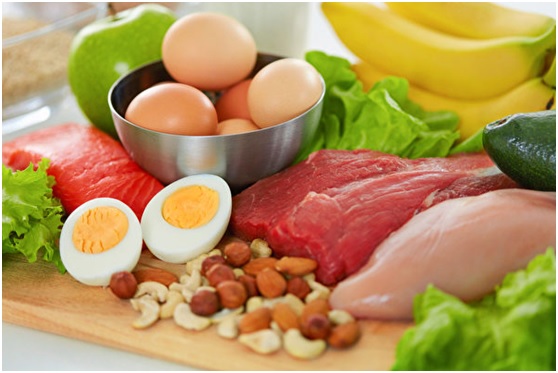
Research suggests that dietary “methyl donors” and vitamins involved in “one-carbon metabolism” are very important for the process of DNA methylation. So which foods or nutrients might help slow down the epigenetic clock? The foods/nutrients you should eat more of include:
- Dark green vegetables rich in folate (vitamin B₉), such as legumes and organ meats like liver;
- Foods containing vitamin B₁₂ and B₆, such as lean meats, dairy products, and eggs;
- Protein sources high in methionine — for example meat, fish, eggs, and dairy;
- Foods containing choline (and its metabolite betaine), such as egg, liver, pistachios, walnuts, almonds, and soy products (or other nuts and legumes);
- Additionally, whole grains, olive oil, turmeric, purple sweet potatoes/yams, and green tea also contain nutrients that may help slow aging — it’s good to include some of them weekly in your diet.
These nutrients — after going through one-carbon metabolism — contribute to production of S-adenosylmethionine (SAM), which is the body’s main “methyl donor.” SAM provides methyl groups for methylation reactions on DNA or histones. Therefore, eating these kinds of foods in a balanced way, and providing sufficient methyl sources, has a theoretical basis for helping maintain proper DNA methylation, and thereby potentially slowing epigenetic aging.
Early studies already found that altering the amount of methyl donors in the diet can influence DNA methylation patterns. It was observed that a diet lacking methionine and choline leads to global or gene-specific DNA hypomethylation, including in genes associated with cancer. Conversely, replenishing or increasing intake of these nutrients sometimes restores normal DNA methylation. Human studies have also shown that supplementing folate and vitamin B₁₂ helps increase DNA methylation in cells such as leukocytes. Some recent research even indicates that when combined with a healthy overall diet, exercise, and good lifestyle habits, the “biological age” estimated by the epigenetic clock can decrease compared with the starting point. In one study over eight weeks, participants’ average biological age dropped from 55.83 years to 51.23 years. These results suggest that dietary and lifestyle interventions may — to some extent — “slow down” or partially “reverse” epigenetic aging.
Reference:
- Kara N. Fitzgerald, Tish Campbell, Suzanne Makarem, Romilly Hodges.(2023) Potential reversal of biological age in women following an 8-week methylation-supportive diet and lifestyle program: a case series. Aging (Aging-US), 15(6), 1833.