
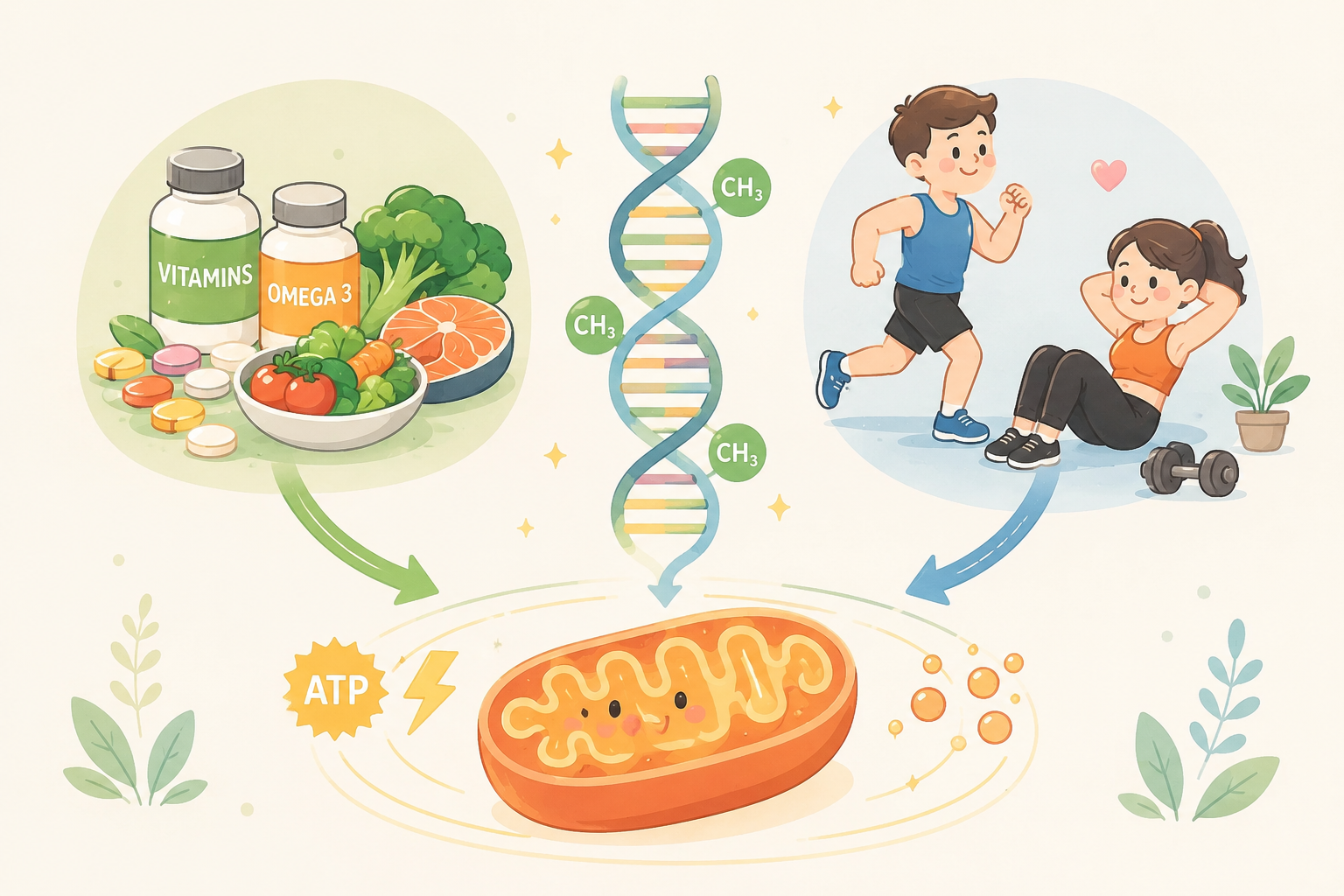
In the human body, mitochondria are widely known as the “powerhouses” that generate ATP. However, beyond energy production, they also serve as central hubs for cellular signaling integration and oxidative stress balance. Recent research has revealed that mitochondrial metabolism is closely linked to epigenetic regulation. Moreover, cancer cells can hijack mitochondrial functions and reprogram them to support their own growth.
Mitochondrial metabolism is closely associated with epigenetic DNA methylation. Within mitochondria, the tricarboxylic acid (TCA) cycle produces key metabolites such as alpha-ketoglutarate (α-KG), acetyl-CoA, and S-adenosylmethionine (SAM). These metabolites act as essential substrates and cofactors in DNA methylation reactions. When mitochondrial function changes, the concentrations of these metabolites also fluctuate, thereby influencing the activity of DNA methyltransferases (DNMTs) and demethylation enzymes (such as TET enzymes), ultimately reshaping cellular gene expression. Therefore, mitochondria not only provide energy but also indirectly regulate the epigenetic state of nuclear genes.
Tumor cells can induce “mitochondrial reprogramming.” This occurs because cancer cells must adapt to rapid proliferation, hypoxic environments, and therapeutic stress. They actively alter mitochondrial metabolic pathways, functional states, and signaling mechanisms. As a result, mitochondria shift from focusing solely on efficient ATP production to supporting biosynthesis, antioxidant defense, and survival advantages. In this way, mitochondria transition from being merely “powerhouses” to becoming “biosynthetic and signaling integration centers.”
In addition, the “mitochondrial theory of aging” has been proposed, suggesting that declining mitochondrial function affects stem cell activity and tissue regeneration capacity, increasing the risk of cardiovascular disease, neurodegeneration, and metabolic syndrome. Therefore, preserving mitochondrial function is considered an important strategy for slowing the aging process.
To maintain and promote mitochondrial function, dietary supplements containing the following key components may be considered:
- Coenzyme Q10 (CoQ10): Supports mitochondrial energy production and provides antioxidant protection.
• NADH / NMN / NAD⁺ precursors: Serve as essential cofactors involved in cellular energy metabolism.
• B-complex vitamins: Particularly vitamins B1 and B3, which help stabilize mitochondrial membrane structure and support metabolic cycling.
• Urolithin A: A trending research compound shown to induce mitophagy and potentially improve age-related mitochondrial decline.
• PQQ (Pyrroloquinoline quinone): Research suggests it may promote the formation of new mitochondria (mitochondrial biogenesis).
Important nutrients can also be obtained from dietary sources:
- Salmon: Rich in DHA and CoQ10.
• Spinach and seaweed: Provide magnesium, selenium, and glutathione to support enzymatic stability.
• Nuts and legumes: Supply trace elements such as zinc and B vitamins.
Reference:
1.Gómez de Cedrón M, Moreno Palomares R and Ramírez de Molina A (2023) Metabolo-epigenetic interplay provides targeted nutritional interventions in chronic diseases and ageing. Front. Oncol. 13:1169168.